
Infectious Diseases
Inspiron Scientific delivers a targeted portfolio of anti-infective pharmaceuticals combating urinary tract infections, bacterial prostatitis, and antimicrobial-resistant pathogens with evidence-based precision.
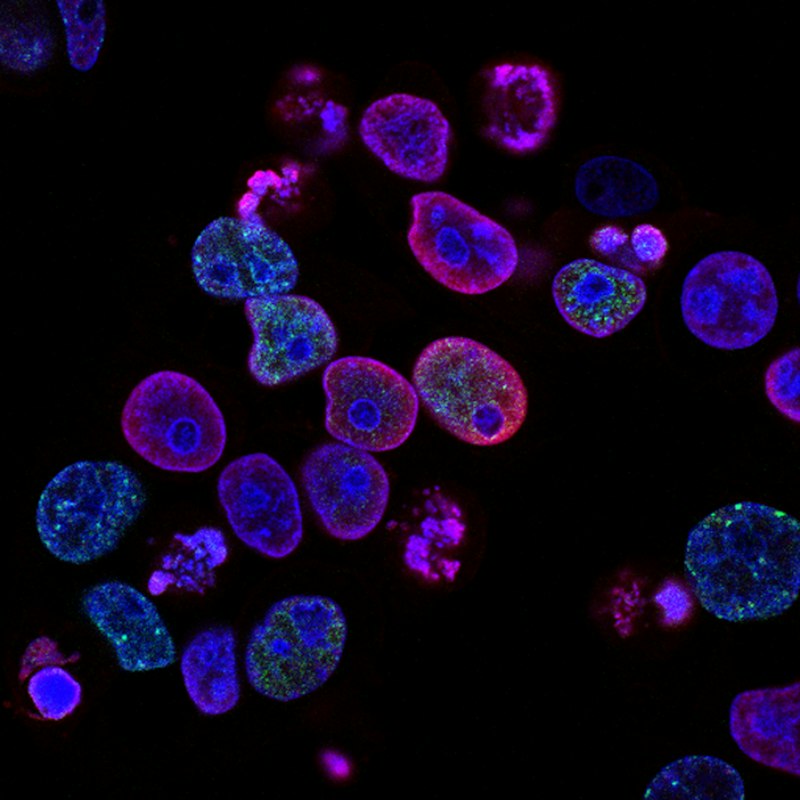
Comprehensive Anti-Infective Therapeutics
Infectious diseases in urological practice represent a critical and growing clinical challenge. Urinary tract infections (UTIs) account for nearly 40% of all healthcare-associated infections worldwide, with rising antimicrobial resistance (AMR) complicating empirical treatment decisions. Inspiron Scientific's infectious diseases portfolio provides clinicians with targeted, evidence-based antimicrobial options aligned with current IDSA and EAU guidelines.
Our formulations span key pharmacological classes including fluoroquinolones with broad-spectrum Gram-negative activity and excellent urinary tissue penetration, and nitrofurantoin derivatives offering favorable resistance profiles for uncomplicated lower UTIs. Each product is designed to support antimicrobial stewardship principles—ensuring effective pathogen eradication while minimizing collateral resistance selection.
Key Infectious Disease Conditions
We Address
Our anti-infective portfolio is strategically designed to address the most prevalent urological infectious diseases, providing clinicians with reliable, evidence-based therapeutic options informed by current resistance data.
Uncomplicated Urinary Tract Infections
Uncomplicated cystitis affects an estimated 50–60% of women during their lifetime, with Escherichia coli responsible for 75–95% of episodes. Diagnosis relies on clinical symptoms corroborated by urinalysis (pyuria, bacteriuria) and urine culture with ≥103 CFU/mL. Per IDSA/ESCMID guidelines, Nitrofurantoin monohydrate (100mg BID × 5 days) is recommended first-line due to its narrow spectrum, high urinary concentration, and minimal impact on gut flora—preserving the ecological balance and reducing collateral resistance selection.
Complicated UTIs & Pyelonephritis
Complicated UTIs arise in the setting of structural or functional urinary tract abnormalities, urolithiasis, catheterization, immunosuppression, or male sex. Upper tract involvement (pyelonephritis) presents with systemic signs—fever ≥38°C, costovertebral angle tenderness, and elevated inflammatory markers (CRP, procalcitonin). Fluoroquinolones (e.g., Ofloxacin) provide excellent renal tissue penetration and broad Gram-negative coverage, making them appropriate for empiric therapy pending culture and sensitivity results. Transition from IV to oral therapy is guided by clinical response within 48–72 hours.
Acute & Chronic Bacterial Prostatitis
Bacterial prostatitis is classified by the NIH into acute (Category I) and chronic (Category II) forms. Acute bacterial prostatitis presents with fever, perineal pain, LUTS, and often sepsis—requiring emergent intervention. E. coli, Klebsiella, and Pseudomonas spp. are predominant pathogens. Fluoroquinolones are preferred due to superior lipophilic penetration through the prostatic epithelium into the alkaline prostatic fluid. Treatment duration extends 4–6 weeks for chronic forms to achieve adequate tissue eradication and prevent relapse. Digital rectal examination is contraindicated in the acute phase due to bacteremia risk.
Recurrent Urinary Tract Infections
Recurrent UTIs are defined as ≥2 symptomatic episodes within 6 months or ≥3 within 12 months and affect 20–30% of women with an initial UTI. Pathogenesis involves reinfection by uropathogenic E. coli (UPEC) harboring type 1 fimbriae and intracellular bacterial communities in the urothelium. Management strategies include continuous low-dose prophylaxis (Nitrofurantoin 50–100mg nightly), post-coital prophylaxis, and self-start therapy. Non-antibiotic approaches include cranberry proanthocyanidins, D-mannose supplementation, topical vaginal estrogen in postmenopausal women, and immunostimulant vaccines (OM-89). Comprehensive urological workup is warranted to exclude anatomical contributors.
Catheter-Associated UTIs (CAUTIs)
CAUTIs account for approximately 75% of all healthcare-associated urinary tract infections and represent the most common nosocomial infection globally. Daily bacteriuria risk increases 3–7% per day of catheterization. Biofilm formation on catheter surfaces by Proteus mirabilis, Pseudomonas, and Enterococcus spp. complicates eradication. Prevention centers on early catheter removal, closed drainage systems, and aseptic insertion technique. Antimicrobial treatment is reserved for symptomatic patients and must be culture-guided given the high prevalence of multidrug-resistant organisms. Catheter exchange during active treatment improves outcomes by disrupting established biofilms.
Antimicrobial Resistance & Stewardship
The WHO identifies antimicrobial resistance (AMR) as one of the top 10 global public health threats. ESBL-producing Enterobacteriaceae now account for 15–40% of community-onset UTIs in many regions, severely limiting empirical treatment options. Antimicrobial stewardship programs (ASPs) in urology emphasize: utilizing local antibiogram data for empirical prescribing, obtaining pre-treatment cultures, de-escalation from broad to narrow-spectrum agents upon sensitivity results, optimizing duration of therapy, and avoiding treatment of asymptomatic bacteriuria except in pregnancy and pre-urological procedures. Inspiron Scientific supports clinicians with agents that maintain favorable resistance profiles when used judiciously.
Therapeutic Products
for Infectious Disease Care
A focused portfolio of WHO-GMP certified anti-infective pharmaceuticals designed to address urological infections with proven efficacy and favorable safety profiles.
Broad-spectrum fluoroquinolone antibiotic with excellent urinary tract tissue penetration. Indicated for complicated UTIs, pyelonephritis, and bacterial prostatitis. Achieves high renal and prostatic concentrations for effective pathogen eradication in both upper and lower urinary tract infections.
First-line antimicrobial for uncomplicated lower urinary tract infections per IDSA guidelines. Narrow-spectrum agent with multiple mechanisms of action that minimize resistance development. Achieves bactericidal urinary concentrations while preserving normal gut flora and periurethral microbiome integrity.
Inspiron Scientific's growing anti-infective portfolio is designed to address the full spectrum of urological infections—from uncomplicated cystitis to complicated nosocomial infections. Each product is sourced from WHO-GMP certified facilities and supports rational antimicrobial prescribing aligned with stewardship principles.
Understanding Urinary Infections
Empowering patients with knowledge to recognize infection symptoms early, seek timely medical care, and adopt preventive measures for better urological health outcomes.
Warning Signs of Infection
Recognize these symptoms early for timely treatment:
- Burning or stinging pain during urination
- Urgent, frequent need to urinate (small volumes)
- Cloudy, dark, or strong-smelling urine
- Blood in urine (pink or red-tinged)
- Pelvic pressure or lower abdominal discomfort
- Fever, chills, or flank pain (kidney infection)
When to See Your Doctor
Consult a healthcare professional immediately if:
- Urinary symptoms persist beyond 48 hours
- You develop fever, nausea, or back pain
- You experience recurrent infections (3+ per year)
- Symptoms return shortly after finishing antibiotics
- You notice blood in your urine
- You are pregnant and have urinary symptoms
Prevention & Hygiene Tips
Adopt these evidence-based habits to reduce infection risk:
- Drink 2–3 liters of water daily to flush bacteria
- Urinate promptly when you feel the urge
- Always wipe front-to-back after using the toilet
- Urinate before and after sexual intercourse
- Avoid irritating feminine products or douches
- Wear breathable cotton underwear
Your Treatment Journey
What to expect from modern infection treatment:
- Urine test and culture for accurate diagnosis
- Targeted antibiotic therapy based on your infection
- Symptom relief typically begins within 24–48 hours
- Always complete the full course of prescribed antibiotics
- Follow-up urine culture to confirm clearance
- Preventive strategies to reduce future recurrence
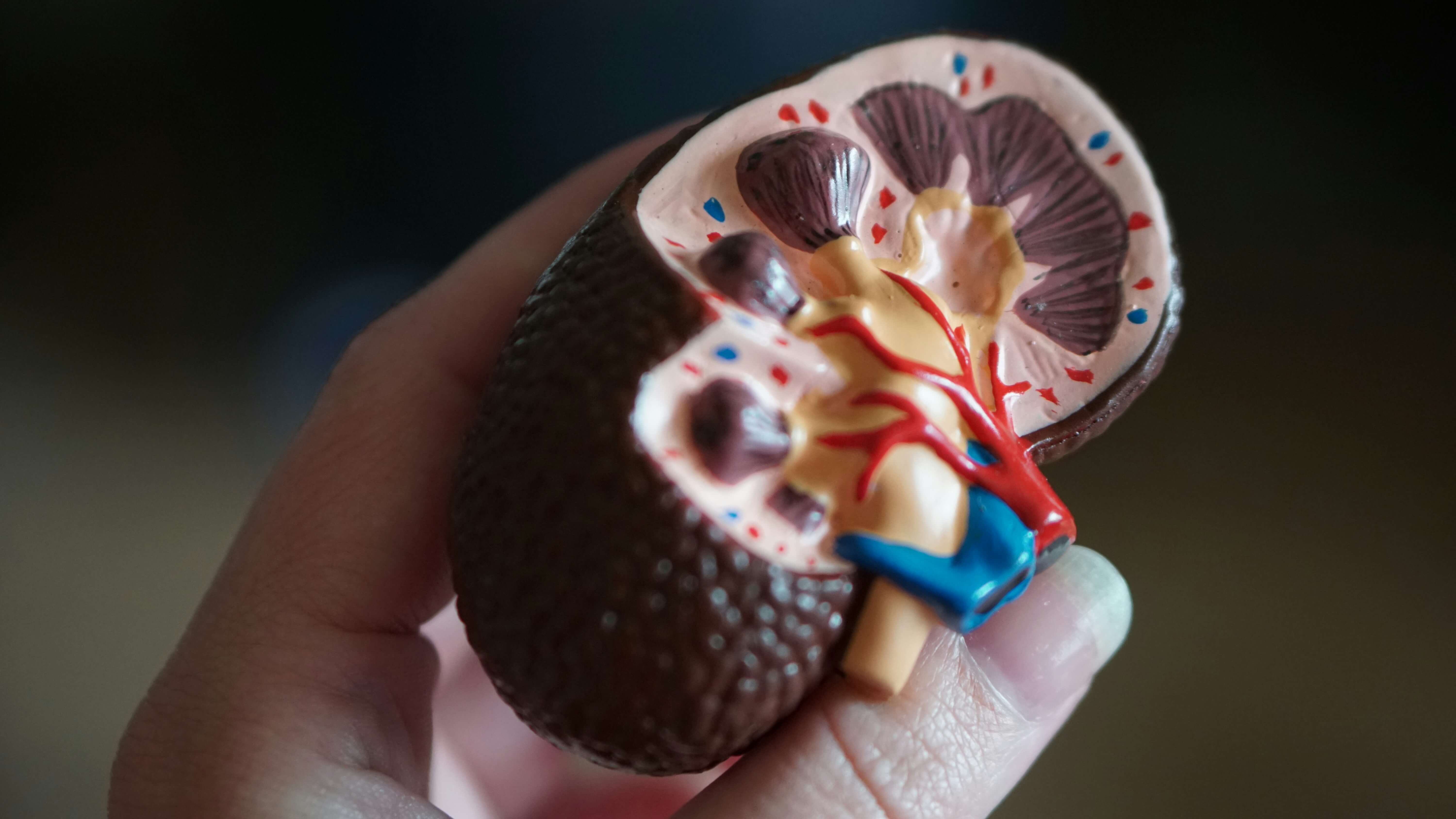
Future Specialties Expansion
Our strategic roadmap for expanding into new therapeutic areas to serve more patients and healthcare needs.


Ready to Partner
With Inspiron Scientific?
Whether you're a healthcare provider seeking quality pharmaceutical products, a distributor exploring partnership opportunities, or a professional looking to join our team — we'd love to hear from you.
Connect With Inspiron Scientific
Our team is available to discuss how Inspiron Scientific can support your healthcare needs. Reach out today.
AIMS, Ponekara (P.O.),
PIN – 682041, Kochi, Kerala
Door No. 37/558-P, Q, R, N,
Near Govt. Ayurveda Hospital,
Mullampara, Manjeri (P.O.) – 676121, Kerala
9:00 AM – 7:00 PM IST
Enquiry Form
Fill out the form below and our team will contact you promptly.

Our Quality Commitment
At Inspiron Scientific, quality is non-negotiable. Every product in our portfolio is sourced from WHO-GMP certified manufacturing partners and undergoes rigorous quality assurance processes. We stand behind the safety, efficacy, and consistency of every medicine we deliver.